
 admin
admin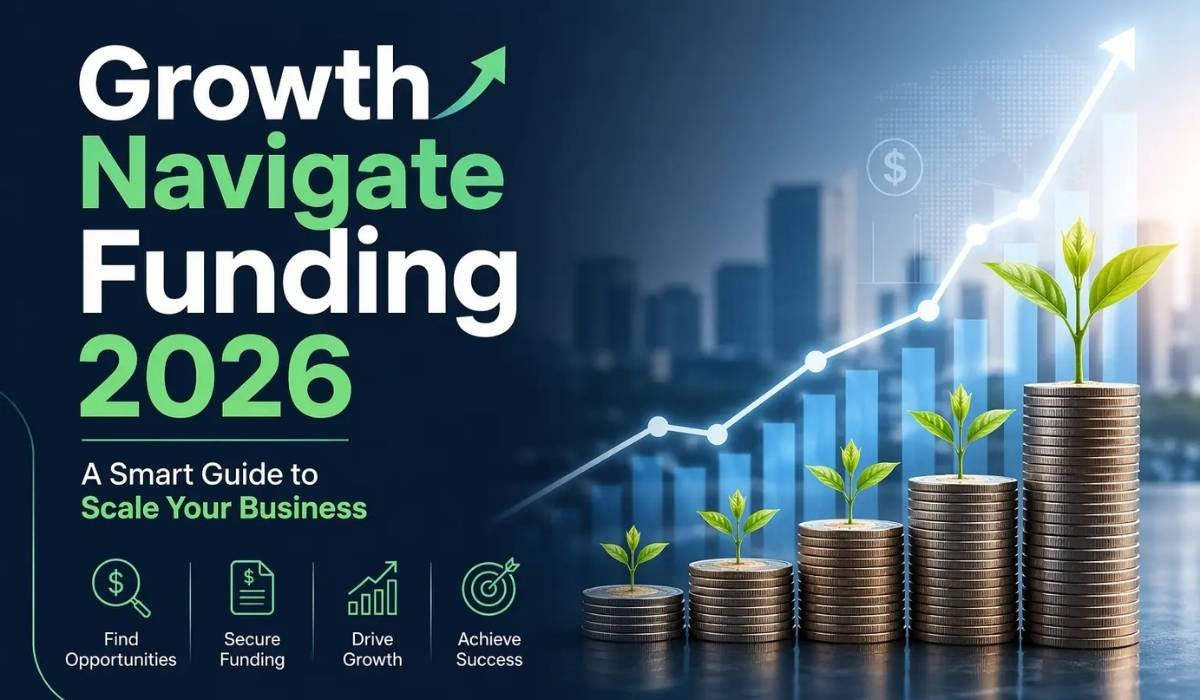
Growth navigate funding is a modern approach to business financing that focuses on structured capital allocation across different stages of company development. Instead of relying on a single large investment, businesses use phased funding strategies that align with performance milestones and expansion goals. This method is widely used in startup ecosystems, where financial flexibility and risk management are essential for sustainable growth. It allows companies to scale operations gradually while maintaining investor confidence and operational stability.
Quick Bio Overview
| Aspect | Details |
| Term | growth navigate funding |
| Category | Business financing model |
| Focus | Strategic capital allocation |
| Users | Startups and scaling companies |
| Purpose | Sustainable business growth |
| Industry | Finance and entrepreneurship |
Concept of Growth Navigate Funding
The idea behind growth navigate funding is to treat business financing as a journey rather than a single event. Companies move through different funding phases depending on their development stage. These stages typically include early seed investment, growth capital, and expansion funding. Each phase is tied to measurable performance outcomes, ensuring that capital is used efficiently and strategically.
How the Funding Structure Works

This funding model operates by breaking down financial support into structured stages. In the early phase, businesses focus on product development and market validation. As the company grows, additional funding is released based on performance indicators such as revenue growth, customer acquisition, or market expansion. This staged approach reduces financial risk and ensures accountability.
Importance in Modern Business Environment
In today’s competitive market, businesses require flexibility to adapt quickly. Growth navigate funding provides that flexibility by allowing companies to scale operations without committing to excessive upfront capital. This approach is especially important for startups in technology, healthcare, and digital services, where market conditions change rapidly.
Role of Investors in the Process

Investors play a central role in this funding strategy. Instead of providing all capital at once, they evaluate business performance at each stage before releasing additional funds. This creates a partnership model where both investors and entrepreneurs share responsibility for growth outcomes. It also encourages businesses to meet performance benchmarks consistently.
Startup Growth and Funding Stages
Startups typically go through several funding stages under this model. The seed stage focuses on idea validation and product development. The early growth stage emphasizes customer acquisition and market entry. The expansion stage involves scaling operations and entering new markets. Each stage requires careful financial planning and strategic investment decisions.
Risk Management and Financial Control
One of the main advantages of this funding approach is improved risk management. By distributing capital over multiple stages, businesses reduce the risk of overspending or misallocation of resources. Investors also benefit from reduced exposure, as they can adjust funding based on performance outcomes.
Strategic Planning in Business Growth
Strategic planning is a core element of this funding model. Companies must set clear goals for each stage of growth and align their financial needs accordingly. This requires detailed forecasting, market analysis, and performance tracking. Businesses that successfully implement this approach often achieve more stable and sustainable growth.
Challenges in Implementation
Despite its advantages, this funding model also presents challenges. Businesses may face pressure to meet strict performance targets, and delays in funding can slow down operations. Additionally, competition for investor attention can make it difficult for early-stage companies to secure initial capital. Effective communication and strong business planning are essential for success.
Future of Structured Funding Models
The future of business financing is increasingly moving toward structured and performance-based models. As markets become more dynamic, investors prefer systems that allow for flexibility and accountability. Growth-focused funding strategies are expected to become more common in global startup ecosystems.
Final Thoughts
The concept of structured business financing represents a shift away from traditional lump-sum investment approaches. It allows companies to grow in stages while maintaining financial control and investor alignment. Understanding helps businesses and investors make more informed decisions in a rapidly evolving financial landscape.
Frequently Asked Questions
What is growth navigate funding
- A staged business financing model based on performance milestones
Who uses this funding model
- Startups and scaling businesses
What is the main advantage
- Reduced financial risk and improved capital control
Is it suitable for all businesses
- Mostly suitable for startups and growth-stage companies
How do investors benefit
- They reduce risk by funding based on performance outcomes